Lightroom vs Snapseed: Which Photo Editing App Is Better?
In the world of photography, editing is key. It can make or break your photos. With so many photo editing apps out there, picking the right one can be tough.
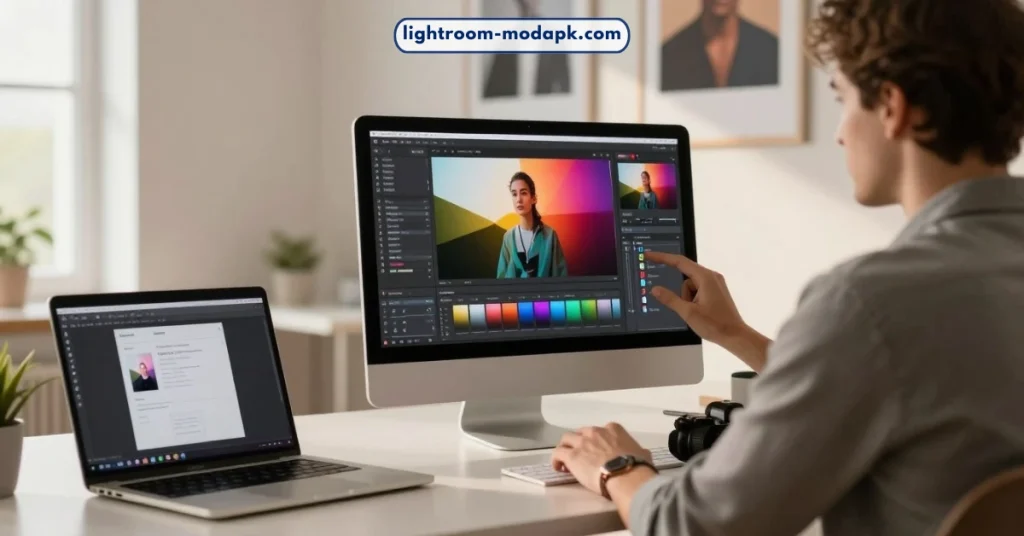
Adobe Lightroom and Snapseed are two top photo editing apps. They each have unique features and tools. Whether you’re a pro or just love taking photos, choosing the best app is crucial.
This article will compare Adobe Lightroom and Snapseed. We’ll help you figure out which one is best for you.
Key Take a ways
- Overview of Adobe Lightroom and Snapseed features
- Comparison of their photo editing capabilities
- Insights into their user interfaces and usability
- Tips on choosing the best app for your photography needs
- Key differences between the two apps
The Rise of Mobile Photo Editing
Mobile photo editing has become key in smartphone photography. It has changed a lot over time. Now, we can edit photos on our phones thanks to better technology.
Evolution of Smartphone Photography
Smartphone cameras have gotten much better. They take high-quality photos and have cool features like zoom and portrait mode. This makes smartphones great for photography, for both hobbyists and pros.
So, people need good photo editing apps for their phones. Apps like Lightroom and Snapseed have answered this need. They offer many editing tools that you can use anywhere.
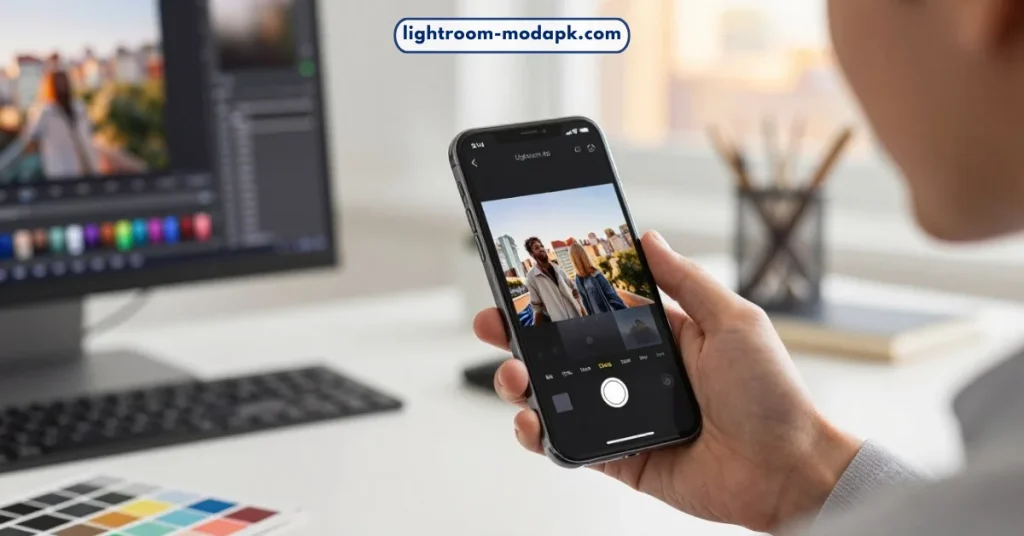
The Need for Professional Editing Tools
For serious photographers, professional editing tools are a must. These tools let you edit RAW images, reduce noise, and adjust colors. They help make your photos look amazing.
| Feature | Lightroom | Snapseed |
| RAW Processing | Yes | Yes |
| Advanced Color Grading | Yes | Yes |
| User Interface | Professional-grade | Intuitive |
Knowing what these apps can do, including Lightroom old versions, helps photographers pick the right app for them.
Lightroom vs Snapseed: Core Differences
The debate between Lightroom and Snapseed centers on their editing capabilities and user interfaces. Both apps aim to improve mobile photography but meet different user needs and preferences.
Adobe Lightroom: Professional-Grade Solution
Adobe Lightroom is known for its professional features, loved by serious photographers and pros. It stands out with its Lightroom presets, allowing users to make complex edits easily. Its advanced RAW image processing and cloud syncing across devices make it very useful.
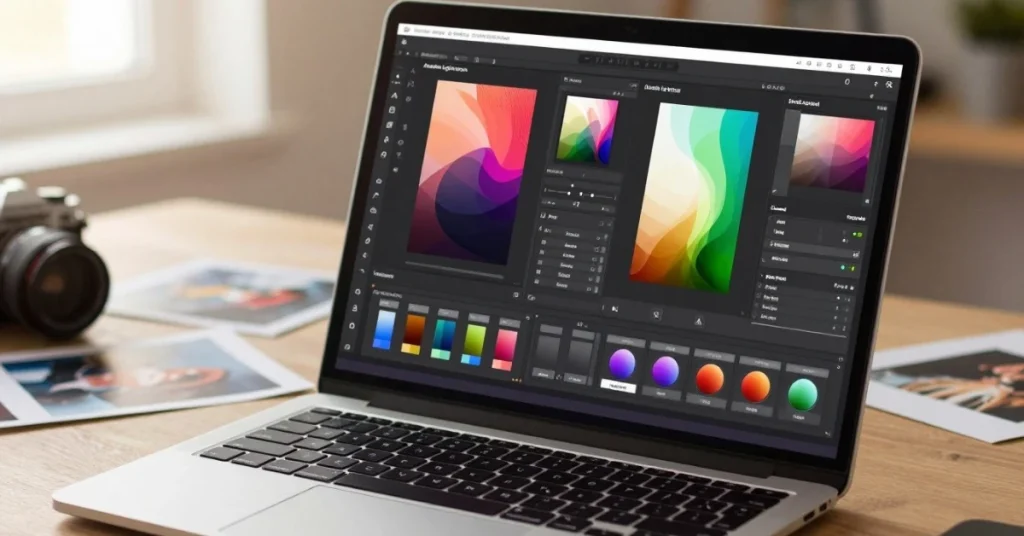
Snapseed: Google’s Powerful Free Alternative
Snapseed is a free, powerful app developed by Google. It has a wide range of tools and filters for precise photo editing. Its Selective Adjustments tool lets users edit specific parts of an image. Snapseed’s easy-to-use interface and strong features make it a top choice for free photo editing.
Lightroom and Snapseed each have their own strengths, serving different parts of the photography world. Knowing these differences helps choose the best editing tool for your needs.
User Interface and Experience
The look and feel of a photo editing app is key. It’s about making editing easy and fun. Lightroom and Snapseed aim to do this in their own ways.
Lightroom’s Layout and Organization
Lightroom’s design is clean and organized. It breaks down into different parts for each step of editing.
Library Management System
Lightroom helps you sort your photos well. You can import, rate, and filter them easily. This makes handling lots of photos simple.
Module-Based Workflow
Lightroom guides you through editing. It starts with importing and ends with exporting. This keeps the process smooth.
Snapseed’s Gesture Controls and Design
Snapseed is simple with a focus on gestures. This makes editing quick and easy.
Tool-Based Navigation
Snapseed’s tools are easy to find. This lets you start editing fast.
Stacks and History Management
Snapseed keeps track of your edits. You can go back to earlier versions if needed. This is great for detailed work.
| Feature | Lightroom | Snapseed |
| Primary Navigation | Module-based | Tool-based |
| Library Management | Advanced | Basic |
| History Management | Available | Available |
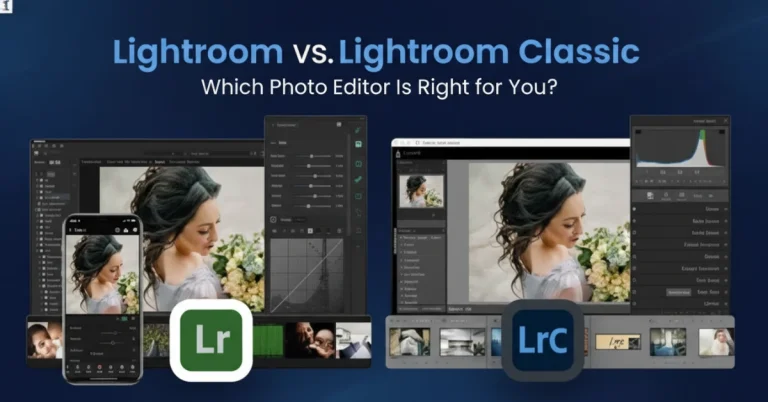
In summary, Lightroom and Snapseed have different interfaces. Lightroom is great for those who need to organize a lot. Snapseed is best for quick, easy edits.
Essential Editing Capabilities
In the world of mobile photo editing, Adobe Lightroom and Snapseed are leaders. Each app has its own set of editing tools. The right tools can make a good photo even better.
Core Editing Tools
Both Lightroom and Snapseed have basic adjustment tools for photo editing. These include exposure and color controls, and tools for cropping and composition.
Exposure and Color Controls
Exposure adjustments are key for setting an image’s tone. Both apps let you fine-tune exposure, contrast, and color balance. Snapseed’s “Tune Image” tool and Lightroom’s “Basic Panel” offer detailed controls.
Cropping and Composition Tools
Cropping is a basic but crucial editing task. Both apps have straightening and cropping tools. Snapseed also has composition guides like the rule of thirds.
“A good crop can turn a mediocre shot into something compelling.”
Advanced Features
Both apps have advanced editing features to enhance images.
Selective Adjustments
Selective adjustments let you target specific image areas. Lightroom’s “Adjustment Brush” and Snapseed’s “Selective” tool offer precise control over exposure, contrast, and color.
Healing and Retouching Tools
Removing blemishes or unwanted objects is easy with these tools. Snapseed’s “Healing Tool” and Lightroom’s “Spot Healing Brush” are great for cleaning up images.
RAW Image Processing
For RAW shooters, both apps offer excellent processing. They handle RAW files from many cameras, providing detailed image processing and flexibility in post-processing.
In conclusion, Adobe Lightroom and Snapseed are packed with essential editing tools. They cater to various photographic needs. Whether adjusting exposure, cropping, or retouching, these apps have what you need to improve your images.
Lightroom Presets and Customization
Lightroom’s preset system is a big help for photographers. It lets them apply a consistent look to their photos with just one click. This saves a lot of time and effort, especially for those who shoot in similar styles.
Understanding Lightroom Preset Ecosystem
Lightroom presets are pre-set settings for photos. They help achieve a certain look or style. There are thousands of presets out there, from various sources. Using presets can cut down editing time, letting photographers focus on other parts of their work.
Creating and Sharing Custom Presets
Lightroom also lets users create and share their own presets. This way, photographers can have a unique style in their work. To make a custom preset, adjust an image’s settings to your liking and save it as a preset. Then, you can share it or use it on other images.
Here’s a look at the different presets in Lightroom:
| Preset Type | Description | Use Case |
| Default Presets | Pre-installed presets that come with Lightroom | Basic editing and quick enhancements |
| User-Created Presets | Custom presets created by users | Personalized style and consistent look |
| Third-Party Presets | Presets created by third-party developers | Specialized effects and unique styles |
By using Lightroom’s preset system, photographers can make their editing process better. They can get consistent, high-quality results.
Snapseed’s Filters and Tools
Snapseed has a lot of filters and tools, making it a strong rival to Lightroom’s older versions. It offers many editing options for both hobbyists and pros. This is all available on your mobile device.
Built-in Filters and Looks
Snapseed has many built-in filters to make your photos better. These filters can change your photos a little or a lot. You can get the look you want with just a few taps.
The app also has a ‘Looks’ feature. It combines different adjustments to give your photos a certain style or mood.
Specialized Tools and Effects
Snapseed has more than just filters. It has specialized tools and effects for detailed edits. The ‘Selective’ tool lets you make precise changes. Effects like ‘Grain’ and ‘Vignette’ add texture and depth.
With these tools and effects, you can do a lot of creative things. You can make simple changes or complex edits.
Performance Analysis
Photographers now use mobile devices for editing more often. This makes the performance of apps like Lightroom and Snapseed very important. We’ll look at how these apps handle speed, file handling, and their effect on device resources.
Processing Speed and File Handling
How fast an app edits and handles files is key for a smooth experience. Lightroom for iOS has improved a lot for mobile use.
Large Image Processing
Lightroom is great with big images or complex edits. Snapseed also works well, but might slow down with many filters on big images.
Batch Editing Capabilities
Lightroom’s batch editing is super useful for editing many photos at once. Snapseed can do it too, but not as well.
Device Impact and Optimization
How these apps affect your device is important. Both are made for iOS, but let’s see how they impact battery and storage.
Battery Consumption
Snapseed uses less battery than Lightroom. This is good for those editing on the move.
Storage Requirements
Lightroom needs more space because of its many features and RAW file support. Users with big collections should watch their storage.
Choosing between Lightroom and Snapseed depends on your needs. Lightroom is better for high-res images and batch editing. Snapseed is great for those who want a light app for lower-end devices.
Cross-Platform Availability
Photographers now work on many devices. This makes cross-platform availability in photo editing apps very important.
Adobe Lightroom has improved a lot in this area. It now works well on different platforms. Let’s look at how it does this.
Lightroom for iOS and Mobile Experience
Lightroom’s iOS app is powerful and similar to its desktop version. It lets you sync edits across devices with Adobe’s cloud. This means changes made on one device show up on others.
If you’re an iPhone user, Lightroom’s iOS version offers more professional tools compared to Snapseed’s simpler interface.
The app is designed for touch screens. It uses gestures for easy photo editing. This makes editing photos on the go simple.
Lightroom Old Versions vs Current Ecosystem
Older Lightroom versions, like Lightroom 6, were popular. But Adobe now focuses on Lightroom CC. It offers updates and new features.
Some users prefer older versions of Lightroom because they run more smoothly on low-end devices than newer updates.
The new system has many benefits. It includes cloud storage, new features, and works with the latest systems.
| Feature | Lightroom 6 | Lightroom CC |
| Cloud Storage | No | Yes (1TB) |
| Continuous Updates | No | Yes |
| Cross-Platform Sync | Limited | Yes |
Pricing Structure and Value
It’s important for photographers to know how much Lightroom and Snapseed cost. This helps them decide which app is best for them. The price and what you get from each app are key factors.
Adobe’s Creative Cloud Photography Plan
Adobe’s Creative Cloud Photography Plan includes Lightroom, Lightroom Classic, and Photoshop. It costs $9.99/month for 1TB of storage. This plan is great for photographers who need many tools.
The plan also offers Lightroom presets and lets you sync edits across devices with Lightroom for iOS. This adds a lot of value.
Adobe says, “The Creative Cloud Photography Plan gives you everything you need to edit, organize, and share your photos across desktop and mobile devices.” This flexibility is a big plus for photographers who work on different platforms.
While Snapseed is limited to mobile devices, Lightroom gives you the flexibility to use Lightroom on a PC or laptop for more advanced editing.
Snapseed’s Free Model and Limitations
Snapseed is free from Google, with no subscription or hidden costs. It’s perfect for casual photographers or those watching their budget. But, Snapseed doesn’t have all the advanced features and professional-grade tools that Lightroom has.
Even though it’s free, Snapseed is a powerful editing tool. It has many filters and tools to improve photo quality. Google says, “Snapseed is a complete and professional photo editor that brings powerful, easy-to-use tools to everyone, whether you’re an enthusiast or a professional photographer.”
In summary, Lightroom offers more tools as part of Adobe’s Creative Cloud Photography Plan. But Snapseed is a free option that’s still very capable. Your choice depends on your specific needs and budget.
Conclusion: Which App Is Right for You?
Choosing between Adobe Lightroom and Snapseed depends on your needs and preferences. If you’re into Adobe’s ecosystem and need advanced editing tools, Adobe Lightroom is for you. It has a powerful Develop module and works well with other Adobe apps.
Snapseed is a great free alternative with a user-friendly interface. It can handle RAW files and offers many filters and tools. It’s perfect for those who want quality results without spending money.
Think about what you need to edit, your device, and your budget. If you’re looking for a free app with great features, Snapseed is a good choice. For professional tools and Adobe integration, Adobe Lightroom is the better option. Knowing your needs will help you pick the right app for your photography.
FAQ
What are the main differences between Adobe Lightroom and Snapseed?
Adobe Lightroom is a top-notch photo editing app with advanced features. It has a preset ecosystem. Snapseed, on the other hand, is a free alternative with a wide range of tools and filters.
Can I use Lightroom presets on Snapseed?
No, Lightroom presets are only for Adobe Lightroom and can’t be used on Snapseed. But Snapseed has its own filters and looks for different styles.
Is Lightroom available for older versions, or is it only available as part of Adobe’s Creative Cloud?
Adobe Lightroom is part of Adobe’s Creative Cloud Photography Plan. Older versions are still available, but they might not have the latest features and updates.
How does Snapseed compare to older versions of Lightroom in terms of features?
Snapseed has features similar to older Lightroom versions, like advanced editing tools and filters. But it might not integrate as well with other Adobe apps.
Can I edit RAW files in both Lightroom and Snapseed?
Yes, both Adobe Lightroom and Snapseed let you edit RAW files. This means you can do high-quality image processing and editing.
Are there any significant differences in the user interface between Lightroom for iOS and the desktop version?
The core features of Lightroom are on both iOS and desktop. But the user interface is tailored for each platform. The iOS version is for touch controls, and the desktop version is for keyboard and mouse.
Is Snapseed still a viable option for photographers who need advanced editing capabilities?
Yes, Snapseed is a strong and free choice for photographers. It offers advanced editing tools and filters for professional-grade results.